
Burst pipes, failed water heaters, storm flooding, sewer backups — the moment water gets into your home, the clock starts. Our IICRC-certified crews extract and dry, so mold and rot never get a foothold.
Water damage restoration is the process of removing water and drying the structure after a flood, leak, or pipe failure. It happens in two phases: mitigation (stopping the damage — extraction, drying, and sanitizing) and restoration.
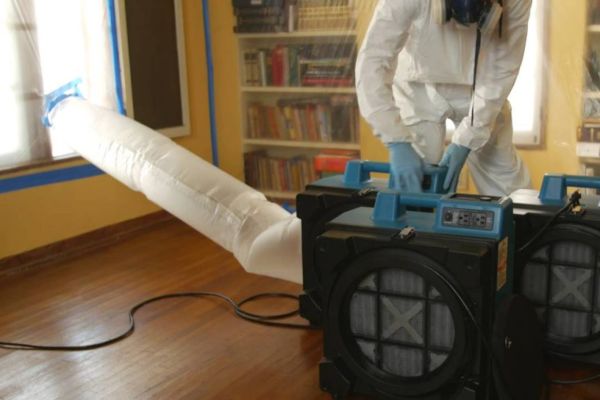
A typical 1,500 sq ft job dries in 3–5 days. Light, contained damage can dry in 2–3 days. We give you a realistic timeline on day one and update it as drying readings come in.
Restorers classify every loss two ways — by how contaminated the water is (the category) and how saturated the structure is (the class). Together they decide what can be saved, what must be removed, and how long drying takes.
| Category | Source | What it means |
|---|---|---|
| Cat 1 Clean | Supply lines, faucets, rainwater | Sanitary at the source. Most materials can be dried and saved if handled within 24–48 hrs. |
| Cat 2 Gray | Dishwashers, washing machines, sump pumps | Contains contaminants. Carpet pad and some porous materials usually removed. |
| Cat 3 Black | Sewage, river/storm flooding, toilet overflow | Grossly contaminated & hazardous. Porous materials are removed and the area is fully sanitized. |
Why this matters for your home: a clean Category 1 leak caught quickly is often a dry-in-place job. The same water left for three days can wick up drywall, soak the subfloor, and migrate into wall cavities — turning a $1,200 fix into a $6,000 one.
Category determines safety protocols; class (1 through 4) describes how much material is wet and how hard it is to dry. A small spill on tile is Class 1; saturated hardwood, plaster, and concrete is Class 4 and needs specialty low-grain-refrigerant dehumidifiers.
Mold can begin colonizing wet materials within 24–48 hours. The single biggest factor in your final cost is how quickly water is extracted and drying begins — which is exactly why we dispatch a crew while you’re still on the phone.
A persistent damp odor is often the first sign of moisture trapped in drywall, carpet pad, or subfloor.
Yellow, brown, or copper rings on ceilings and walls mean water has already passed through.
Moisture behind a surface lifts paint and wallpaper and makes finishes blister.
Buckling hardwood or lifting laminate signals water soaking into the subfloor below.
An unexplained jump often points to a slow hidden leak inside a wall or slab.
Dripping or trickling when no fixtures are on usually means a pipe is leaking out of sight.
Spots near baseboards, vents, or under sinks confirm an active moisture problem.
Our moisture meters and thermal cameras find what your eyes can’t — the assessment is free.
For water damage in North Bay cities like Santa Rosa or Petaluma we see the same culprits again and again — a mix of aging plumbing, appliances, and our wet-winter atmospheric rivers.
Aging supply lines and cold-snap freezes split open and can release hundreds of gallons in an hour.
Washing machines, dishwashers, and water heaters fail at the supply hose or tank, often while you’re out.
Winter downpours overwhelm gutters and grading, pushing water under doors and through roofs.
Failed flashing, cracked seals, and worn shingles let water track into ceilings and wall cavities.
Clogs and main-line failures push contaminated Category 3 water back into the home.
Hydrostatic pressure and slab cracks wick groundwater into floors during the rainy season.
Once mitigation is complete, we prepare a detailed build-back estimate outlining the scope of reconstruction work needed to restore your property. From there, the project can be completed through a trusted subcontractor or one of our vetted contractor partners, and we ensure all documentation and project details are fully transferred for a smooth transition.
Most residential jobs in Sonoma & Marin fall between $1,300 and $6,000. The final number depends on the category of water, square footage affected, and how much material has to be removed. Here’s a realistic breakdown.
Minor & contained
Single room, clean Cat 1 water, caught early. Dry-in-place, no demo.
Typical home job
~1,500 sq ft, Cat 1–2 water, some drywall & flooring removed and replaced.
Major / Category 3
Multiple rooms or sewage. Full sanitation.
When the loss is sudden and accidental — a burst pipe, a failed water heater, a storm intrusion — it’s typically covered by your homeowners policy. In most cases you pay only your deductible.
We document everything in Xactimate (the same estimating software your insurer uses) and bill the carrier directly, so there are no surprises.
★★★★★
“Bravo provided emergency service for water damage in our bathroom and basement ducting in under 24 hours. Maura, Suzana, Adrian, JR and Jose were professional, clean, polite, and explained everything well.”
★★★★★
“When water from a neighboring business leaked into our barbershop, the Bravo team was prompt and professional. Gaby and Junior kept us informed the whole way and got us back to business with minimal disruption.”
★★★★★
“A pipe let go while we were away and flooded the kitchen. They had extraction gear running the same evening and handled the entire insurance claim. The rebuild matched our cabinets perfectly. Could not be happier.”
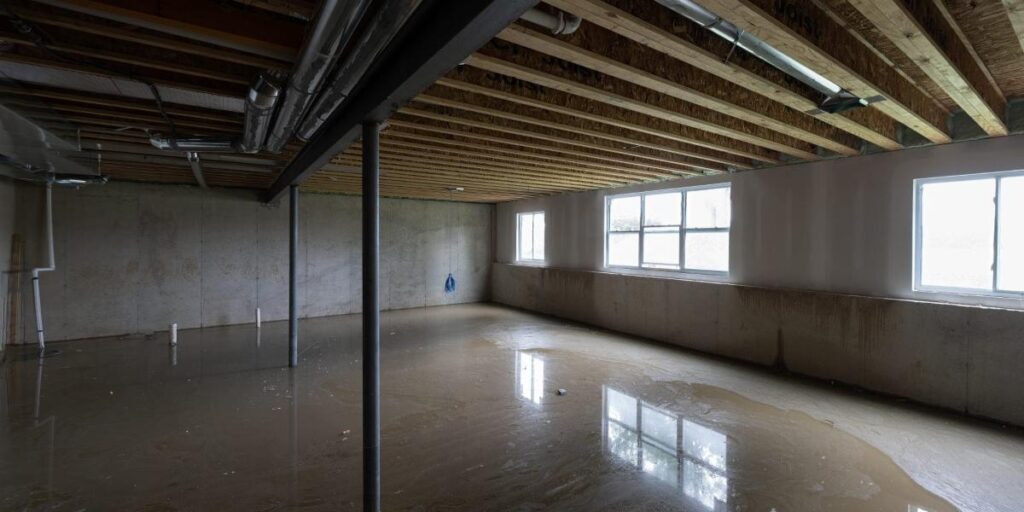
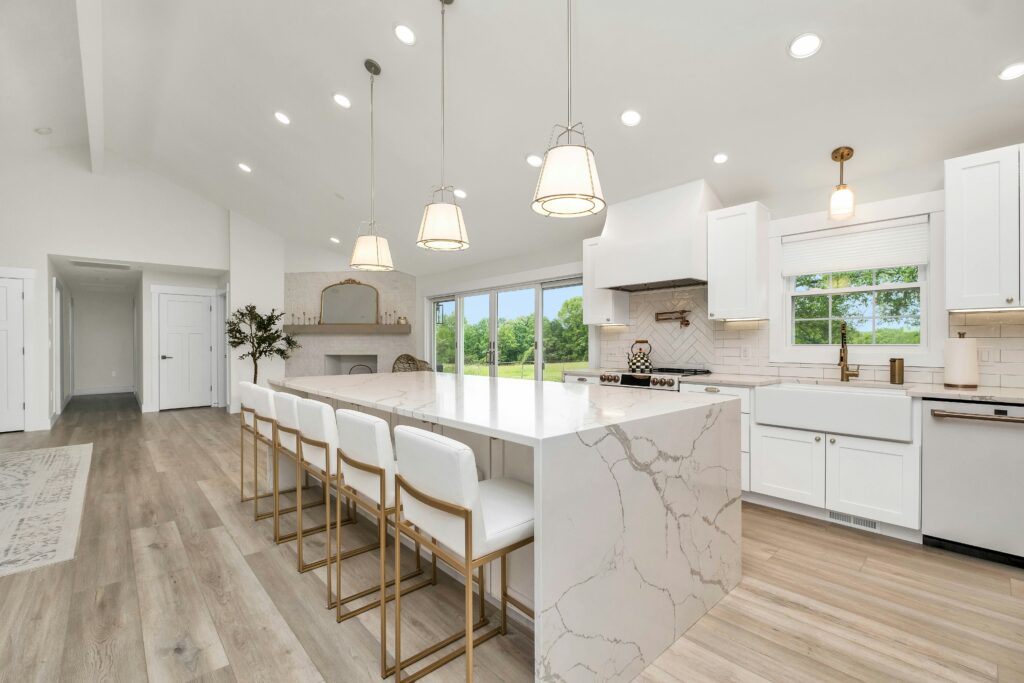
VS
Supply line failed overnight, saturating cabinetry and subfloor. Extracted, dried, and rebuilt to match existing finishes.
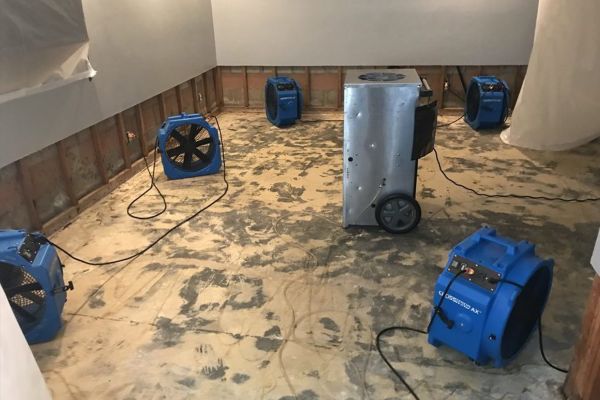
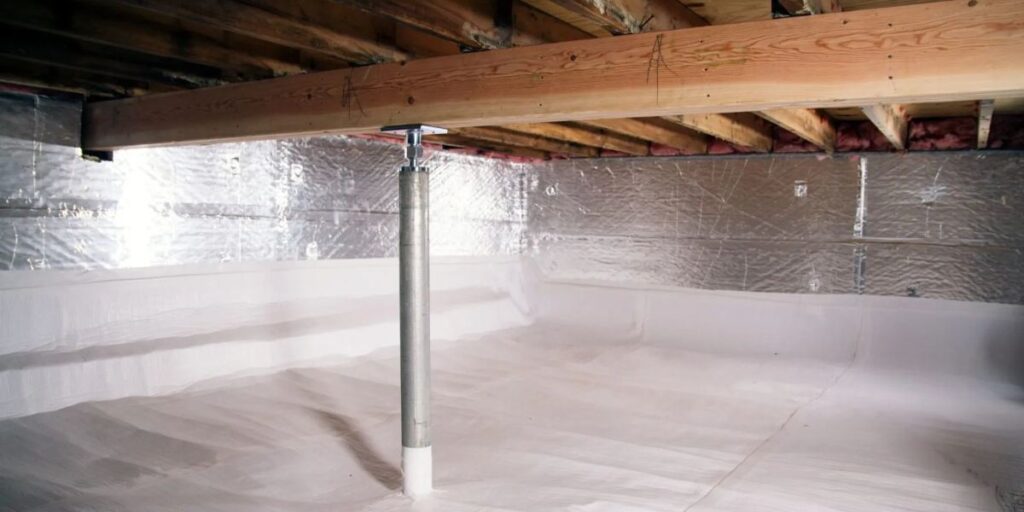
VS
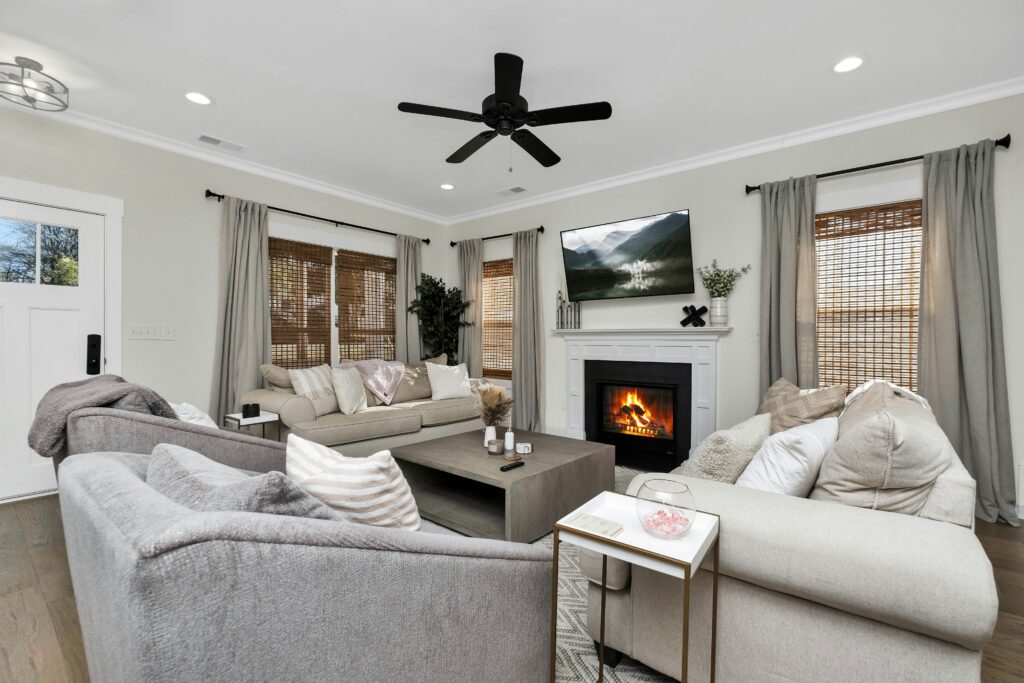
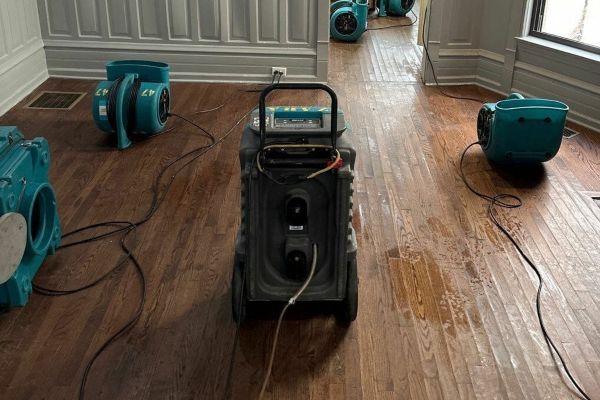
AFTER — removal
VS
Still unsure? Call us. The same person who answers will coordinate your job.
A typical 1,500 sq ft job dries in 3–5 days. Light, contained damage can dry in 2–3 days. We give you a realistic timeline on day one and update it as drying readings come in.
Most residential water damage restoration runs $1,300–$6,000. Minor contained jobs start around $450–$1,500; major losses with sewage or multiple rooms can exceed $10,000. When the loss is sudden and accidental, you typically pay only your deductible.
Sudden and accidental water damage — burst pipes, appliance failures, storm intrusion — is typically covered by standard homeowners policies. Gradual leaks and outside flooding (which needs separate flood insurance) are usually excluded.
Immediately. Mold can begin within 24–48 hours, and water keeps wicking into drywall, subfloor, and framing every hour it sits. Our average on-site arrival across Sonoma & Marin is under 2 hours, 24/7. Shut off the water source if you safely can, and call.
Water is often just one part of a larger loss. No matter the situation, our team provides end-to-end mitigation and remediation services to stabilize the property and resolve the damage at its source.
Soot, char & odor removal
Containment, removal & testing
Discreet, OSHA-compliant cleanup
Tarping & board-up
Standing water removal
Everything we do, in one place
Every hour, water wicks deeper and mold gets closer. One call gets a certified Bravo crew at your door — usually under 2 hours, day or night.
Practical, plain-English answers to the questions we hear most — written by our IICRC-certified team.
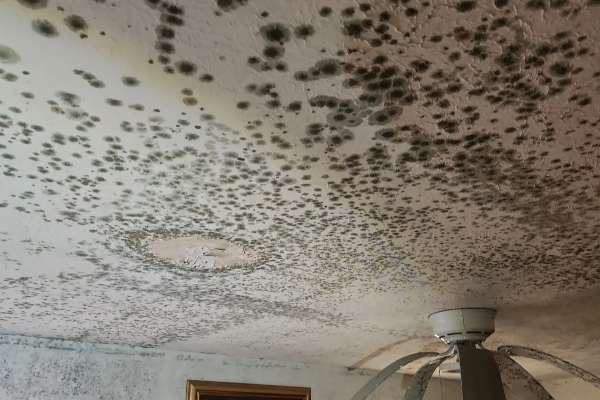
Water damage and mold are often treated as two separate problems, but they’re really two stages of the same timeline.
Sep 21 · 5 min
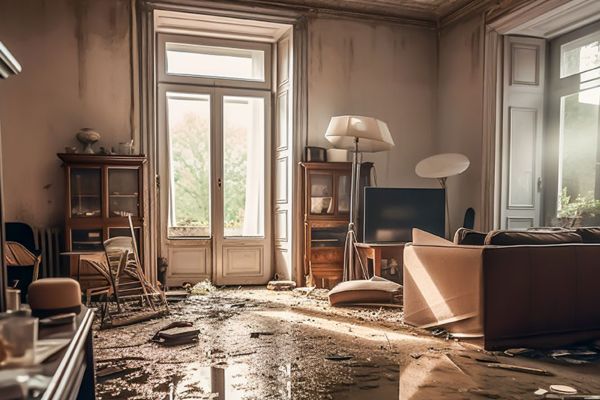
Most water damage doesn’t start with a dramatic flood. It starts small: a slow drip under the sink, a hairline crack in a supply line, a washing machine hose that’s a few years past its prime.
Sep 24 · 5 min
If a pipe burst, a sump pump has failed, or storm water is rising in your Sonoma or Marin County home right now, here is exactly what to do before help arrives.
Sep 17 · 6 min

Bravo Restoration & Construction is a woman-owned, locally-rooted full-service property restoration company and licensed general contractor serving Sonoma and Marin Counties. IICRC certified, CSLB licensed, and answering the phone right now — whatever time you’re reading this.
© 2026 Bravo Restoration & Construction. All rights reserved. CA Lic #956146.
Powered by Restoration Digital Marketing
Tell us what happened — a team member follows up the same business day. No obligation.
Thanks — a team member will reach out shortly. For anything urgent, call us any time.
(707) 837-0675